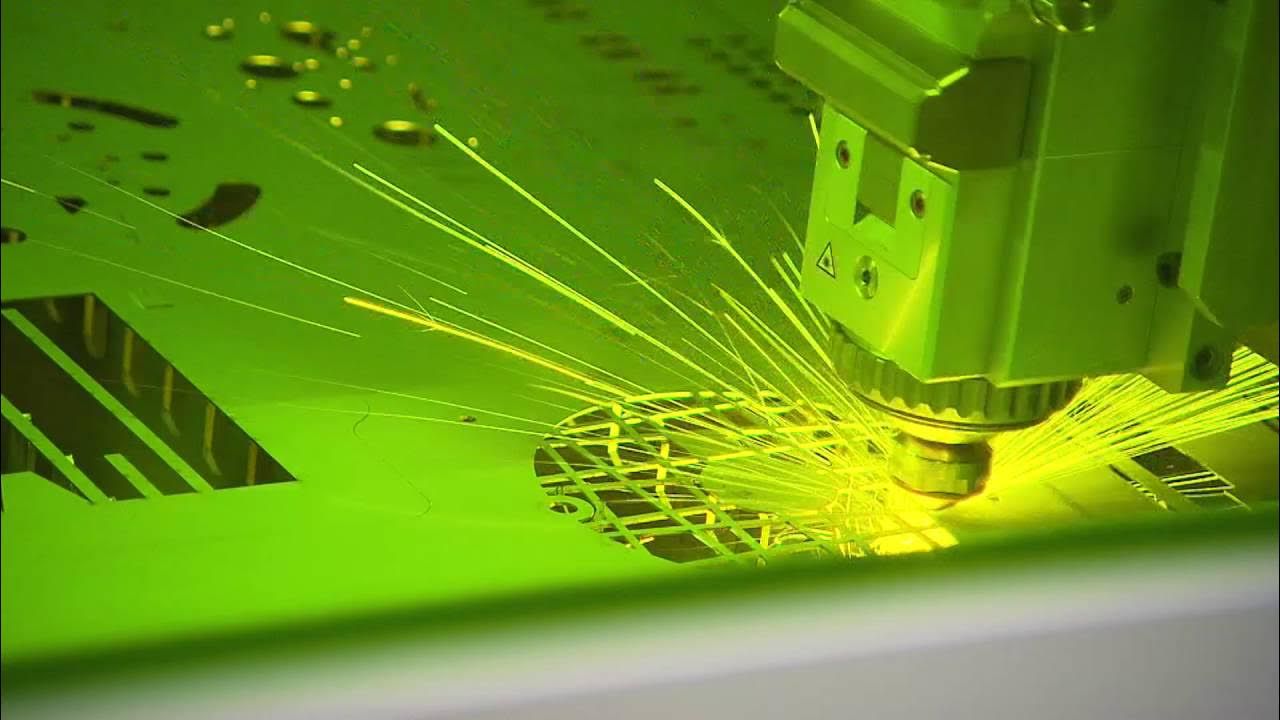
Laser cutting in Slovakia
Four Trumpf lasers — two 6 kW fiber, two CO₂ — with beds up to 6 m.
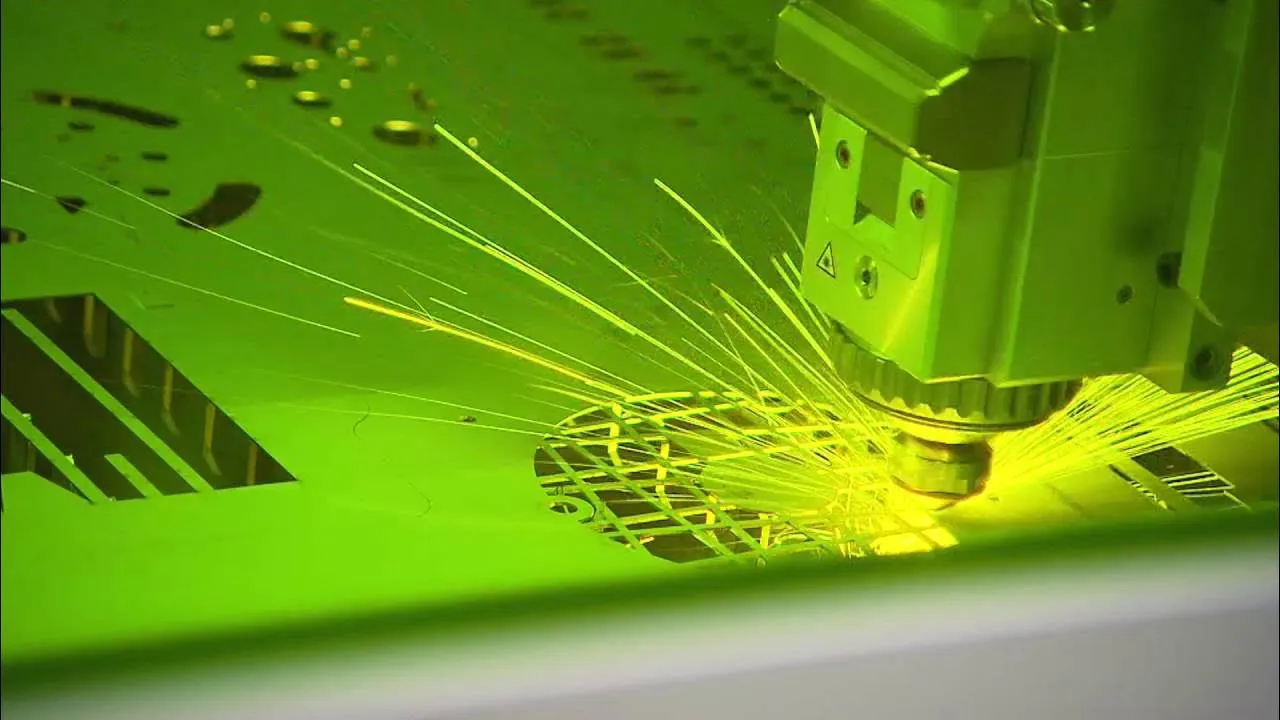
Our laser department runs four Trumpf laser cutting machines: two 6 kW fiber lasers and two CO₂ lasers (5 kW and 6 kW), with beds up to 6 m long. Each machine cuts with oxygen for carbon steel and with nitrogen for clean, oxide-free edges on stainless steel, aluminium and parts that are painted after cutting.
Nesting is done in-house to get the best yield from each sheet, and every sheet is traced in our ERP from the mill certificate to the part. Fiber lasers take the fast thin and mid-thickness work; the CO₂ machines take the long sheets and the thicker plates.
Cut parts can leave as they are, or go on to deburring, bending, marking and kitting in the same plant.
What it changes for you
- Feature
Two fiber lasers
BenefitFast, clean cuts on thin and mid-thickness sheet, stainless steel and aluminium included.
Proof2 × Trumpf fiber 6 kW
- Feature
Two CO₂ lasers (5 kW and 6 kW)
BenefitLong parts are cut in one piece, with no joint to weld afterwards.
ProofBeds up to 6,000 mm
- Feature
Nitrogen or oxygen as cutting gas
BenefitOxide-free edges for parts that are painted later; oxygen for productive cutting of carbon steel.
- Feature
Every sheet traced in our ERP
BenefitAny part can be traced back to its mill certificate.
Frequently asked questions
- Fiber or CO₂: which laser cuts my part?
- We choose per part: fiber for speed on thin and mid sheet and for reflective materials, CO₂ for long formats and thicker plate. You get the same tolerance either way.
- Do you cut stainless steel and aluminium?
- Yes, with nitrogen as cutting gas, which leaves a bright, oxide-free edge.
- What files do you need?
- A DXF or STEP file with the material grade, thickness and quantities. A PDF drawing with tolerances is welcome.
Have a drawing? Send it — an engineer answers.
STEP, DXF or PDF files are welcome.